


Description
Product Overview
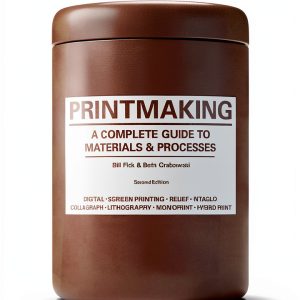
![[Product front view showing all components]](https://www.cleanseskin.store/wp-content/uploads/2026/06/cb3c4155441549689af5745a5441df53.jpg) Printmaking Quick Reference eBook by Amazon offers a focused, 46-page guide that distills essential techniques for artists working in traditional and contemporary printmaking. The guide is organized into clear sections that walk readers through preparation, material selection, process steps, and finishing touches, making it a practical companion for studio practice. Designed for digital consumption, the file size is only 1.0 MB, ensuring fast download and smooth performance on any Kindle-compatible device. Accessibility features include screen-reader support and enhanced typesetting, which together provide a comfortable reading experience for users with visual preferences. The eBook also supports page-flip navigation, allowing readers to quickly skim or revisit specific sections without losing context. With a concise 46-page length, the content balances depth and brevity, delivering actionable insights without overwhelming the reader. Whether you are a beginner exploring basic intaglio, relief, or lithography, or a hobbyist seeking to refine existing skills, this guide offers step-by-step instructions, practical tips, and concise explanations that can be applied directly in the studio. The eBook currently holds a Kindle Store ranking of #63 in the Printmaking category and has earned a solid 3.8-star rating from over fifty readers, indicating reliable value for its price point of $2.99. Its concise format makes it an ideal reference for quick consultation during a printmaking session, while the unlimited device usage policy lets you keep the guide handy across all of your reading platforms. The eBook’s accessibility features are designed to accommodate a wide range of reading preferences. Screen-reader compatibility ensures that visually impaired users can navigate the content using voice-over tools, while the enhanced typesetting provides clear hierarchy for headings and lists. The file’s modest 1.0 MB size means it loads quickly even on slower internet connections, and the page-flip animation mimics the tactile sensation of turning paper pages, which can aid memory retention. Additionally, the Kindle format supports X-Ray metadata, although this particular title does not include X-Ray data, the platform still offers a seamless reading experience across all supported devices.
Printmaking Quick Reference eBook by Amazon offers a focused, 46-page guide that distills essential techniques for artists working in traditional and contemporary printmaking. The guide is organized into clear sections that walk readers through preparation, material selection, process steps, and finishing touches, making it a practical companion for studio practice. Designed for digital consumption, the file size is only 1.0 MB, ensuring fast download and smooth performance on any Kindle-compatible device. Accessibility features include screen-reader support and enhanced typesetting, which together provide a comfortable reading experience for users with visual preferences. The eBook also supports page-flip navigation, allowing readers to quickly skim or revisit specific sections without losing context. With a concise 46-page length, the content balances depth and brevity, delivering actionable insights without overwhelming the reader. Whether you are a beginner exploring basic intaglio, relief, or lithography, or a hobbyist seeking to refine existing skills, this guide offers step-by-step instructions, practical tips, and concise explanations that can be applied directly in the studio. The eBook currently holds a Kindle Store ranking of #63 in the Printmaking category and has earned a solid 3.8-star rating from over fifty readers, indicating reliable value for its price point of $2.99. Its concise format makes it an ideal reference for quick consultation during a printmaking session, while the unlimited device usage policy lets you keep the guide handy across all of your reading platforms. The eBook’s accessibility features are designed to accommodate a wide range of reading preferences. Screen-reader compatibility ensures that visually impaired users can navigate the content using voice-over tools, while the enhanced typesetting provides clear hierarchy for headings and lists. The file’s modest 1.0 MB size means it loads quickly even on slower internet connections, and the page-flip animation mimics the tactile sensation of turning paper pages, which can aid memory retention. Additionally, the Kindle format supports X-Ray metadata, although this particular title does not include X-Ray data, the platform still offers a seamless reading experience across all supported devices.
Usage
The Kindle platform allows a single purchase to be registered on an unlimited number of devices that share the same Amazon account. Once you have bought the printmaking guide, it will appear in the cloud library and can be downloaded to any compatible Kindle e-reader, tablet, smartphone, or computer application. There is no restriction on simultaneous usage, meaning you can have the book open on a Kindle Paperwhite in the studio while a colleague accesses it on a Fire tablet in the classroom, and both will see the same content. All annotations, bookmarks, and reading progress are synchronized through Whispersync, so you can pick up where you left off on any device. The e‑book’s file size of just 1.0 MB ensures quick transfers even on slower connections, and the enhanced typesetting guarantees consistent formatting across all screen sizes. If you encounter any issues with device registration, Amazon’s customer support can assist in linking the purchase to additional hardware, ensuring that the guide remains readily available wherever you work. In a studio environment, the searchable text and page-flip feature let you locate specific techniques without interrupting the creative flow. You can bookmark sections on intaglio plate preparation, relief carving, or lithographic drawing, then flip back to the instructions as you apply the process. For students enrolled in art courses, the eBook serves as a supplemental reading that aligns with typical semester curricula. Instructors can assign chapters as pre-class reading, allowing students to arrive prepared with foundational knowledge. During lab sessions, the searchable text enables quick reference to safety protocols or material lists, reducing downtime caused by looking up information in printed manuals. The ability to annotate directly on the device means students can highlight key steps and add personal notes, which are saved in the cloud and can be reviewed later. This digital approach also supports environmentally friendly teaching, as no paper copies are required, and the content can be updated by the publisher if new techniques emerge.
Why Choose Us
Amazon’s publishing platform adheres to rigorous quality standards, ensuring that every eBook undergoes thorough editing, formatting, and testing before release. This commitment to consistency translates into a reliable reading experience that meets the expectations of both casual readers and professional artists. The unlimited device usage policy means you can purchase the guide once and access it on any number of Kindle-compatible devices, from a basic e-reader to a high-resolution tablet. This flexibility supports collaborative environments where multiple team members may need to reference the same material. Enhanced typesetting and page-flip navigation are built-in features that improve usability. Headings are clearly distinguished, bullet points are easy to scan, and the page-flip animation mimics the tactile feel of turning physical pages, which many artists find intuitive. Customer feedback reflects a steady 3.8-star rating, with reviewers praising the concise layout, practical examples, and the convenience of having a portable reference. The combination of positive reviews and competitive pricing reinforces the value proposition for anyone seeking a trustworthy printmaking resource.
Key Features
- Compact 46-page format delivers essential printmaking techniques without unnecessary filler, saving time for busy artists.
- Step-by-step instructions are written in plain language, allowing readers to follow each process from preparation to final finish.
- Enhanced typesetting ensures headings, lists, and diagrams are crisp on any screen, reducing eye strain during long study sessions.
- Unlimited device usage lets you access the guide on multiple Kindle-compatible devices simultaneously, perfect for shared studio environments.
- Responsive customer support provides assistance with download issues or formatting questions, ensuring a smooth post-purchase experience.
FAQ
What topics are covered in the printmaking eBook?
The guide begins with a brief overview of printmaking history and safety considerations, helping newcomers understand the basic principles before handling any materials. It then moves into a detailed examination of the essential supplies, such as inks, plates, rollers, and paper, explaining how to select the right type for each technique. Separate chapters are devoted to the three most common printmaking processes: intaglio, relief, and lithography. In the intaglio section, you will find step-by-step instructions for preparing copper or zinc plates, etching designs, and pulling prints with a hand-held press. The relief chapter covers carving linoleum or wood blocks, inking the surface, and achieving consistent impressions. Lithography instructions guide you through preparing a stone or aluminum plate, drawing with greasy media, and processing the surface with chemicals to create a printable image. Additional sections address post-printing processes such as drying, flattening, and mounting prints for display. A troubleshooting chapter offers practical solutions to common problems like uneven ink transfer, plate cracking, or paper tearing. Finally, the eBook includes a concise glossary of terminology and a list of recommended resources for further study, ensuring that readers have a solid foundation to continue exploring printmaking beyond the scope of the guide. Safety guidelines emphasize proper ventilation when working with solvents, the use of gloves and aprons to protect skin, and the importance of maintaining a clean workspace to prevent cross-contamination of inks. The material selection chapter also compares traditional oil-based inks with water-based alternatives, highlighting the environmental benefits of the latter. For intaglio enthusiasts, the guide suggests optional techniques such as aquatint and soft ground etching, providing tips on achieving tonal variation. Relief artists will find advice on selecting carving tools, adjusting pressure for different paper weights, and experimenting with color layering. Lithographers are introduced to modern digital lithography workflows that integrate photographic processes with traditional stone printing. Throughout each section, the author includes real-world anecdotes that illustrate common pitfalls and how to avoid them, making the learning experience both practical and engaging.
Can I read the eBook on multiple devices at the same time?
The Kindle platform allows a single purchase to be registered on an unlimited number of devices that share the same Amazon account. Once you have bought the printmaking guide, it will appear in the cloud library and can be downloaded to any compatible Kindle e-reader, tablet, smartphone, or computer application. There is no restriction on simultaneous usage, meaning you can have the book open on a Kindle Paperwhite in the studio while a colleague accesses it on a Fire tablet in the classroom, and both will see the same content. All annotations, bookmarks, and reading progress are synchronized through Whispersync, so you can pick up where you left off on any device. The e‑book’s file size of just 1.0 MB ensures quick transfers even on slower connections, and the enhanced typesetting guarantees consistent formatting across all screen sizes. If you encounter any issues with device registration, Amazon’s customer support can assist in linking the purchase to additional hardware, ensuring that the guide remains readily available wherever you work.
Does the eBook include images or diagrams?
The digital guide incorporates a series of high-resolution diagrams and line illustrations that complement the textual instructions. Each major technique—intaglio, relief, and lithography—is accompanied by visual step-by-step sketches that show the layout of plates, the direction of ink application, and the positioning of the press. Because the e‑book uses Amazon’s enhanced typesetting engine, these images are rendered sharply on any device, from a basic Kindle e-reader to a high-definition tablet, ensuring that fine details such as line weight and texture are clearly visible. The file size remains modest at 1.0 MB, as the graphics are optimized for quick download without sacrificing clarity. In addition to static diagrams, the page‑flip feature allows you to scroll through the visual content as if turning pages in a printed book, making it easy to compare a diagram with the corresponding text description. While the e‑book does not contain full-color photographs, the monochrome illustrations are designed to convey essential information without the need for color, which keeps the file lightweight and compatible with all Kindle formats. If you require more detailed visual references, the glossary at the end of the guide points to external resources and recommended textbooks that include extensive photographic examples.
How does the enhanced typesetting improve the reading experience?
Enhanced typesetting is a feature of Amazon’s Kindle publishing system that optimizes the layout of text and graphics for each device’s screen dimensions. In the printmaking guide, this technology automatically adjusts line spacing, font size, and paragraph indentation to provide a clean, uncluttered appearance that reduces eye strain during long study sessions. Headings are bolded and spaced to stand out, making it simple to locate each chapter on intaglio, relief, or lithography. Bulleted lists and numbered steps are aligned consistently, so the sequence of actions is easy to follow without having to scroll back and forth. The system also supports hyphenation and justification that respects the natural flow of English sentences, preventing awkward breaks that can distract the reader. For diagrams and line drawings, enhanced typesetting ensures that images are anchored correctly within the text, preserving the relationship between visual cues and explanatory notes. Because the e‑book is reflowable, you can change the font style or increase the text size for accessibility, and the layout will adapt without breaking the structure of the content. This flexibility is especially valuable for users who rely on screen readers, as the underlying markup is clean and compatible with assistive technologies, allowing the guide to be read aloud accurately. Overall, enhanced typesetting creates a professional, magazine-like feel that makes the learning process smoother and more enjoyable.
Is the eBook suitable for experienced printmakers seeking advanced techniques?
The printmaking guide is structured to serve both newcomers and seasoned artists, offering a layered approach that allows readers to progress at their own pace. While the core chapters focus on foundational processes such as basic intaglio etching, relief carving, and lithographic drawing, each section includes optional “advanced tips” subsections that explore more sophisticated methods. For intaglio practitioners, the guide delves into techniques like aquatint, soft‑ground etching, and multi‑tone plate preparation, providing guidance on controlling tonal depth and achieving subtle gradations. Relief artists can experiment with texture plates, mixed‑media approaches, and the use of polymer plates for fine detail work, with step‑by‑step notes on adjusting pressure and ink viscosity. Lithographers are introduced to photopolymer plates and the integration of digital image manipulation before transferring designs onto the stone surface, expanding the creative possibilities beyond traditional drawing. Throughout these advanced modules, the author emphasizes practical problem‑solving, such as how to prevent plate cracking during deep etching or how to achieve consistent registration when printing multiple colors. The e‑book also includes a curated list of external resources, including specialized textbooks, online workshops, and professional societies, enabling experienced printmakers to deepen their knowledge beyond the scope of the 46‑page guide. By offering both basic instruction and pathways to more complex techniques, the e‑book remains a valuable reference for artists at any stage of their printmaking journey.


 Solar Power Series Kindle eBook Guide to Electrical Home Improvement
Reviews
There are no reviews yet.